Variable-weight pricing for farm shops
Every lamb shoulder weighs differently. Here’s how to sell meat by the kilo online without spreadsheet workarounds or confused customers.
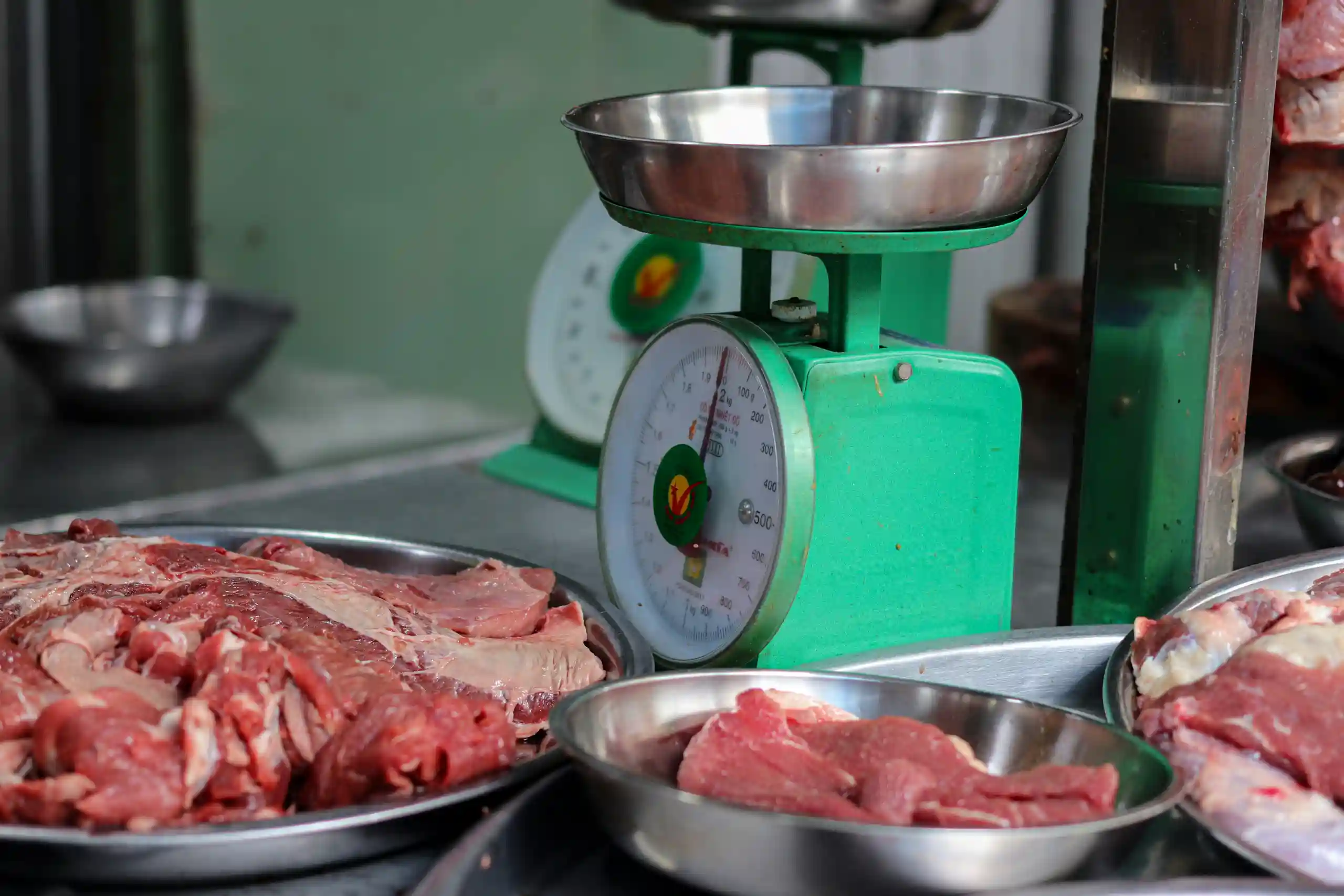

The problem with selling meat online
At the market stall, selling by weight is natural. You put the lamb shoulder on the scale, it reads 1.25kg, you charge $35.00 at $28/kg. The customer sees the weight, sees the price, pays, done.
Online, this falls apart. The customer orders a lamb shoulder but you haven’t weighed it yet — you’re still in the paddock and packing day is Thursday. What do you charge at checkout?
Most online platforms force you into a bad compromise:
- Fixed price per unit — list the shoulder at $36.00 regardless of weight. Some customers get 1.4kg (a bargain), others get 1.1kg (a rip-off).
- “Approximately” pricing — list “~$36, final price may vary” in the description and hope the customer reads it. They don’t.
- Pre-weigh everything — create a separate product for each weight. Works for 10 cuts. Doesn’t work for 200.
None of these are real solutions. They’re workarounds for platforms that weren’t designed for farms selling fresh produce by weight.
TopHow variable-weight pricing actually works
The right approach has three steps: estimate at checkout, weigh during packing, charge the exact amount.
The customer sees an estimated price when they order. They know it’s approximate. On packing day, you put the shoulder on the scale, enter the actual weight, and the system charges the exact amount. No manual calculations, no awkward emails about price differences.
Size variants — let the customer choose
A lamb shoulder can range from 800g to 2kg. That’s a $22–$56 price range at $28/kg — too wide for the customer to know what they’re committing to.
Size variants solve this. Instead of one product with a wide range, offer Small, Medium, and Large:
The customer picks their preferred size. You grab the closest match from what you have. The exact price is confirmed after weighing — but the estimate is tighter because the range is narrower.
This matches how you already sell at the market. “I want a medium-sized shoulder.” You grab one that looks right. The scale confirms.
TopWhat happens with card payments
When a customer pays by card, their bank holds the maximum possible amount for the selected size, then the exact amount is captured after weighing.
What about bank transfer and cash?
Cash works naturally. The customer picks up, you weigh on the spot, they pay. Same as the market.
Bank transfer requires an extra step — the customer can’t transfer an unknown amount:
- Customer orders and selects bank transfer
- You weigh and pack during the packing period
- The system emails the customer the exact total and your bank details
- Customer transfers and uploads their receipt
- You confirm the receipt — order is ready
Setting your per-kilo prices
When you add a variable-weight product, you set four things:
- Price per kg — your rate ($28/kg for lamb shoulder)
- Typical weight — the average for the estimated price (~1.3kg)
- Size variants — Small, Medium, Large with weight ranges
- Max weight per variant — determines the card hold amount
The system calculates everything else: estimated prices, hold amounts, actual charges. You set the rate and the ranges — the math is automatic.