How to start a CSA subscription box in Australia
Predictable revenue, better harvest planning, and loyal customers who show up every week. A guide to pricing, skip policies, and managing expectations through the seasons.

What is a CSA?
CSA stands for Community Supported Agriculture. The idea is simple: customers pay a regular amount — weekly, fortnightly, or monthly — and receive a box of whatever the farm is producing. The customer commits to the farm, and the farm commits to feeding them.
In Australia, the model has evolved beyond the traditional American CSA where customers pre-pay for an entire season. Most Australian farm subscriptions are ongoing weekly or fortnightly boxes with the flexibility to skip, pause, or cancel — closer to a subscription service than a seasonal contract.
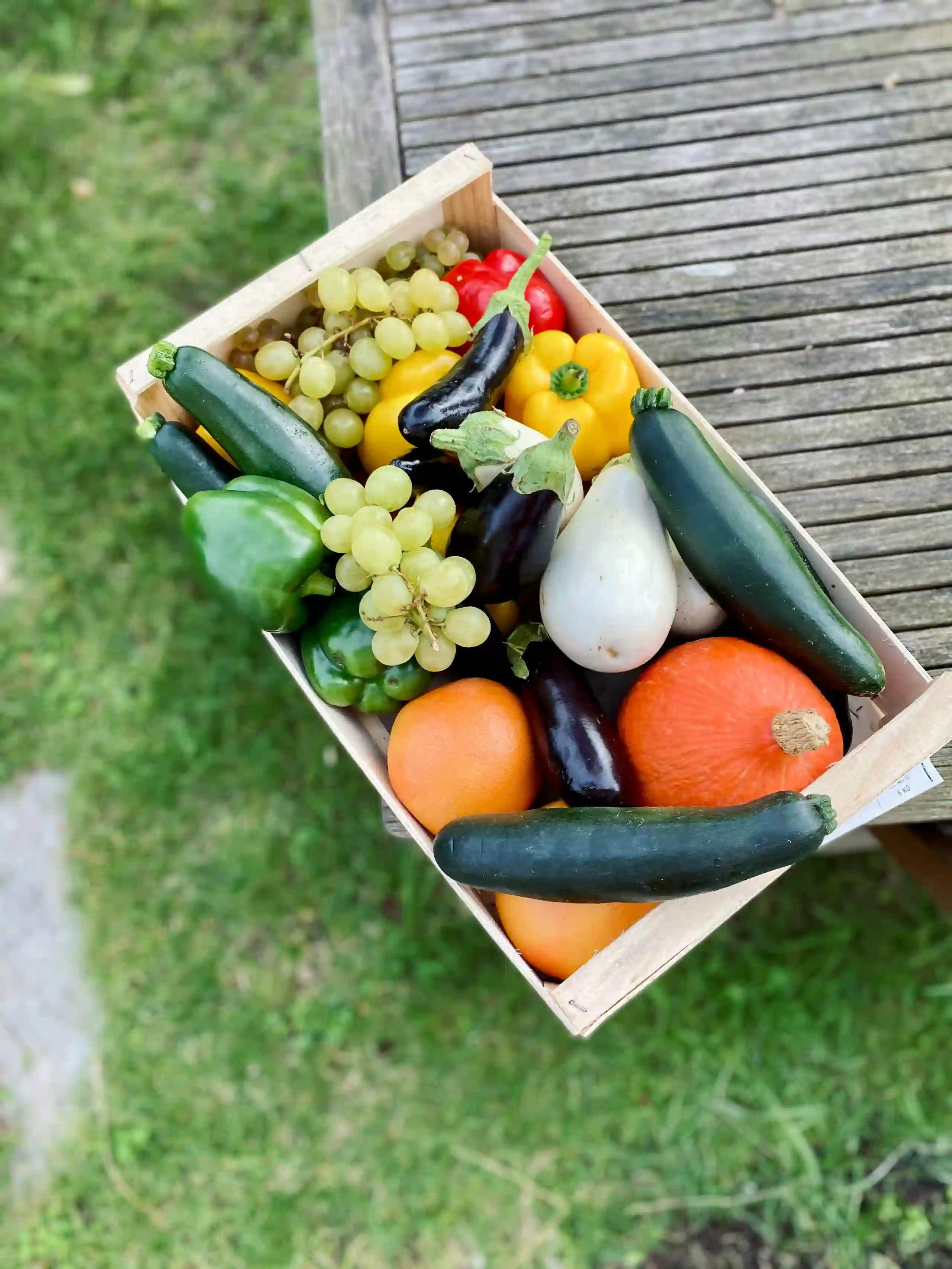
The box contents change with the seasons. That’s the whole point. In summer you get tomatoes, stone fruit, and capsicums. In winter you get root vegetables, citrus, and leafy greens. The subscriber doesn’t choose what goes in — the farm decides based on what’s ready to harvest. This makes harvest planning dramatically easier because you know exactly how many boxes to fill each week.
Why subscriptions work for farms
Three reasons subscriptions transform a small farm’s economics:
Predictable revenue
If you have 30 subscribers at $42/week, that’s $1,260 every single week. Not “maybe $800 if enough people order” — a guaranteed $1,260. You can plan purchases, hire part-time help, and invest in infrastructure because you know the money is coming. This is the single biggest difference between subscription revenue and one-off sales.
Harvest planning
With one-off orders, you guess how much to harvest. Too much and it goes to waste. Too little and customers miss out. With 30 subscription boxes, you know you need exactly 30 bunches of kale, 30 bags of tomatoes, and 30 heads of lettuce. Plant accordingly. Harvest accordingly. Zero waste.
Customer loyalty
A one-off customer might order this week and disappear for 3 months. A subscriber is locked into a rhythm — every Saturday, they pick up their box. That weekly habit builds a relationship that’s hard to break. Subscription churn rates for farm boxes are typically 5–10% per month, meaning 90–95% of your subscribers stick around month after month.
The same 30 customers spend twice as much when they’re on a subscription. Not because the box costs more — because they order every week instead of every other week. Consistency is the multiplier.
TopPricing your box
The most common question: how much should I charge? There are two approaches.
Cost-plus pricing
Calculate what goes in the box, add your margin, and that’s the price. If the produce in a veggie box costs you $18 to grow and pack, and you want a 50% margin, the box is $36. Simple but dangerous — your costs change with the seasons and you might underprice in winter when growing costs are higher.
Market-rate pricing
Look at what similar farms charge in your area and price competitively. In Australia, weekly veggie boxes typically range from $35 to $55 depending on size and region. Meat boxes range from $60 to $120. Mixed boxes (vegetables + eggs + a protein) range from $50 to $80.
Offering multiple sizes
Most successful farms offer 2–3 box sizes. A single-person household doesn’t need (or want) a family-sized box. Two sizes — regular and large — covers most customers. Three sizes — small, regular, large — covers everyone. More than three creates packing complexity for minimal benefit.
TopHow often should boxes go out?
Start with weekly if you sell vegetables — produce is perishable and customers expect freshness. Start with fortnightly if you sell meat or mixed boxes — customers need time to cook through a week’s worth of protein.
Some farms offer both: “Subscribe weekly ($42/week) or fortnightly ($45/fortnight).” The fortnightly price is slightly higher per box to account for the lower commitment. The customer self-selects based on their household needs.
TopSkip and pause policies
This is where most farms get it wrong. Too strict and subscribers feel trapped. Too generous and they skip so often it’s not really a subscription.
Skipping
Let subscribers skip individual weeks. Going on holiday? Skip next week. Fridge is full? Skip. But set a limit: 4 skips per quarter(roughly once a month) is the standard. This allows genuine flexibility without enabling customers who only want a box every third week — they should be on a one-off order instead.
Require skips to be submitted before the order cycle closes. If the cycle closes Wednesday 6pm, the subscriber must skip by Wednesday 6pm. After that, the box is packed and charged. This gives you certainty for harvest planning — you know by Wednesday night exactly how many boxes to fill.
Pausing
Pausing is different from skipping. A skip is one week. A pause is “I’m away for 3 weeks” or “I need a break.” Let subscribers pause for up to 4 weeks at a time. No charges during the pause, no boxes packed. They resume automatically on the date they set.
Cancellation
Let subscribers cancel anytime after their first box. No lock-in contracts — they feel predatory and damage trust. A subscriber who wants to leave should be able to leave cleanly. Cancel at the end of the current billing cycle (not mid-week — they’ve already been charged for this week’s box).
When someone cancels, ask why. The reason tells you whether it’s fixable: “too expensive” might mean a smaller box option would retain them. “Going away” means a pause would have saved them. “Don’t like the contents” is genuine feedback about your box composition. Track these reasons — they’re data, not complaints.
TopManaging seasons
Australian seasons create two challenges for subscription boxes: variety drops in winter, and some farms shut down entirely during the off-season.
Low-variety seasons
A summer box might have 10 different items. A winter box might have 6. The subscriber needs to understand this upfront — not discover it when their July box has three types of root vegetable and nothing else. Set expectations at sign-up: “Contents vary by season. Winter boxes focus on root vegetables, citrus, and leafy greens. Summer boxes include stone fruit, tomatoes, and berries.”
Price adjustment by season
Some farms charge less in winter when there’s less variety, more in summer when the box is overflowing. Others keep a flat rate year-round and vary the quantity. Either approach works — just be transparent about which model you use.
Seasonal shutdown
If your farm doesn’t produce during the wet season, dry season, or winter months, you need to pause all subscriptions. Not cancel — pause. The subscriber’s spot is preserved, no charges during the break, and the subscription resumes automatically when the season starts.
Talking to your subscribers
Subscribers expect more communication than one-off customers. They’re paying every week — they want to feel connected to the farm, not just receive a bag of vegetables.
Weekly box preview
Send a short email or text the day before pickup: “This week’s box: baby spinach, cherry tomatoes, sweet potatoes, fresh basil, and a surprise — the first zucchinis of the season!” This builds anticipation and lets the subscriber plan meals. It takes 2 minutes to write and is the single most appreciated communication you can send.
Seasonal transitions
When the box contents shift significantly (tomatoes ending, root vegetables starting), let subscribers know why. “The last tomatoes are gone — autumn has arrived on the farm. This week’s box moves into comfort food territory: pumpkin, sweet potato, leeks, and the first mandarins.” The subscriber understands seasonal eating and appreciates the narrative.
Farm updates
Once a month, send a short farm update: what’s growing, what’s coming into season, photos from the paddock. Not a newsletter — a personal note from the farmer. “We planted 200 tomato seedlings last week. You’ll be eating them in December.” This turns a transaction into a relationship.
Launching your first subscription box
Don’t overthink the launch. Start small, learn fast, and refine as you go.
- Design one box at two sizes. “Weekly Veggie Box” in regular ($42) and large ($55). Don’t launch with three box types, add-ons, and customisation options. One product, two sizes.
- Cap subscribers at 20. Your first month is about learning the workflow — how long packing takes, which items travel well, how much to harvest. Twenty boxes is manageable. Thirty might not be.
- Set clear terms. Weekly charge, skip up to 4 times per quarter, pause anytime, cancel after the first box. Write this down and show it at sign-up so there are no surprises.
- Tell your existing customers first. Text your best one-off customers: “We’re launching a weekly veggie box — $42/week, pickup Saturday. First 20 spots. Want in?” Your first 10 subscribers are people who already buy from you.
- Send a box preview every week. Even if it’s just a text message: “This week: spinach, tomatoes, sweet potatoes, basil, zucchini.” Two minutes of effort, massive impact on subscriber satisfaction.
After a month, you’ll know whether to expand. If 20 subscribers stuck around and you packed the boxes comfortably, open it to 30. If the packing took too long or produce fell short, adjust before scaling. The first month is data collection, not growth.